
Understanding Cryptocurrency and How to Get Started with Cryptocurrency
The global economy is experiencing a transformative shift as digital cryptocurrencies break through the barriers and inefficiencies of traditional government-issued currencies. This new revolution in cryptocurrency is democratizing access to financial tools once reserved for investment bankers and their wealthy clients. Now, anyone with internet access can participate in this new financial frontier.
Cryptocurrencies, which once belonged solely to the realm of advanced computer science, are now available to everyone. Despite their technical complexities—comprising intricate algorithms and data structures—cryptocurrencies are becoming increasingly accessible to the average person.
What is Cryptocurrency?
So, what exactly is cryptocurrency? The answer depends on whom you ask. For software engineers, it’s a sophisticated technology built on algorithms and cryptographic data. For bankers and government regulators, cryptocurrency represents an emerging financial trend that challenges conventional systems. Investors, on the other hand, view it as an opportunity to generate wealth and secure their financial future.
In essence, cryptocurrency is more than just digital money. It is a blend of technology, investment opportunity, and a reimagining of what money can be. The definition of cryptocurrency, to be fully understood, requires a look at its origins, underlying technology, and the immense market potential it holds.
How Does Cryptocurrency Work?
Cryptocurrencies are built on the foundation of cryptography, which secures transactions and ensures that they are verified without the need for a central authority. Investors purchase cryptocurrencies like Bitcoin, Ethereum, or Dogecoin through online exchanges, and these digital assets derive their value from both market demand and the cost required to produce them.
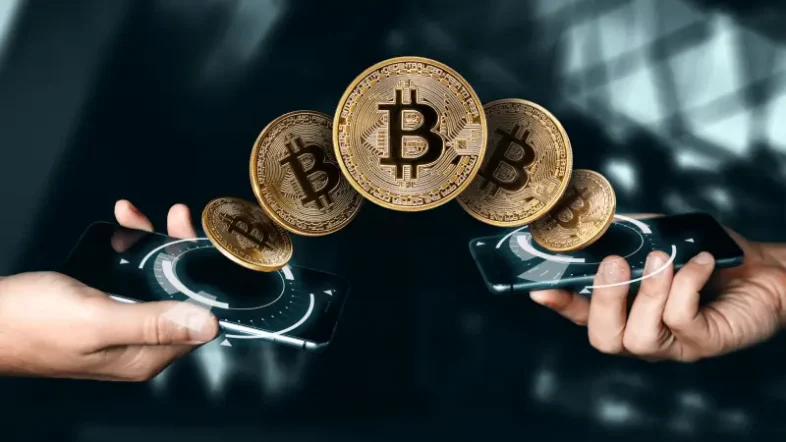
Cryptocurrency can be used in a variety of ways. You can trade digital currencies for goods and services, exchange them for fiat currencies (such as USD or euros), or even hold onto them as a speculative investment in hopes of future gains.
The most common way to acquire cryptocurrency is by purchasing it through online platforms, but it can also be earned through a process known as mining. In cryptocurrency mining, users validate transactions on the blockchain—a decentralized ledger that records all activities involving digital currencies. Successful miners are rewarded with new coins, but mining requires substantial computing power and is not as simple as it sounds.
Bitcoin, the most well-known cryptocurrency, has a limited supply. Its creator, the pseudonymous Satoshi Nakamoto, capped the number of Bitcoins that could ever be mined at 21 million. As of 2021, approximately 2.4 million Bitcoins remain to be mined. This built-in scarcity is one factor that drives Bitcoin’s value.
What is Blockchain Technology?
Cryptocurrency and blockchain technology are often discussed together, but they are not synonymous. A blockchain is a decentralized, immutable ledger that records all cryptocurrency transactions. While most cryptocurrencies rely on blockchain technology to function, the applications of blockchain extend far beyond digital currency.
Blockchain’s transparency and security make it ideal for various industries, including supply chain management, healthcare, and real estate. Although not all digital currencies need to be built on a blockchain, the leading cryptocurrencies—such as Bitcoin and Ethereum—leverage blockchain for its advantages in security and decentralization.
Coins vs. Tokens: What’s the Difference?
In the world of cryptocurrency, the terms “coin” and “token” are often used interchangeably, but they refer to different things. A coin represents a digital currency native to its own blockchain. For instance, Bitcoin runs on its proprietary blockchain, while Ether is the coin for the Ethereum network.
Tokens, however, are built on top of another blockchain. The Ethereum blockchain, for example, supports numerous tokens such as Enjin Coin, SAND, and Radix. While coins are used as a direct medium of exchange, tokens typically represent assets, utilities, or rights within specific applications or ecosystems.
Is Cryptocurrency Safe to Use?
Despite the frequent headlines about hacks, scams, and fraud involving cryptocurrency, the technology itself is secure. Blockchains are designed to be tamper-proof, meaning that once a transaction is recorded, it cannot be altered. The risk, however, comes from poorly secured exchanges or user errors, such as failing to secure private keys.
Some of the largest cryptocurrency losses occurred in the early days of crypto exchanges, where lax security protocols left users’ assets vulnerable to theft. Today, most reputable exchanges implement robust security measures, including two-factor authentication and cold storage for funds. Still, users should always exercise caution, keep their assets in secure wallets, and stay informed about emerging threats.
The Future of Cryptocurrency
Cryptocurrencies have the potential to democratize finance and challenge the monopoly that traditional banks and investment firms have held over the global financial system. They offer an alternative to millions of people without access to traditional banking services, enabling them to participate in the global economy.
Governments and financial institutions are paying close attention to the rise of cryptocurrencies. While some see the technology as a disruptive force, others are beginning to embrace it as part of a broader financial ecosystem. Countries like El Salvador have already adopted Bitcoin as legal tender, while other nations are drafting regulations to govern crypto markets.
As a cryptocurrency investor, it is crucial to stay informed about regulatory developments, as laws and policies can vary significantly by country. The evolving legal landscape could impact the value and utility of cryptocurrencies in the future, making it vital to stay updated with trustworthy news sources.
How to Get Started with Cryptocurrency
If you’re new to cryptocurrency and want to know how to get started, the first step is education. Understanding the fundamentals of blockchain, security, and market trends will help you navigate this exciting and volatile space with confidence.
- Choose a Reliable Exchange: Your first point of contact in the world of cryptocurrency will likely be through a crypto exchange. There are many options available, but the most reputable platforms are those that offer strong security measures, a wide range of cryptocurrencies, and user-friendly interfaces. Popular exchanges include Coinbase, Binance, and Kraken.
- Create a Wallet: Once you’ve chosen an exchange, you’ll need a cryptocurrency wallet to store your digital assets securely. There are two types of wallets: hot wallets (online) and cold wallets (offline). While hot wallets offer convenience, cold wallets provide the highest level of security by keeping your funds offline and away from potential hackers.
- Buy Your First Cryptocurrency: After setting up your wallet, you can purchase your first cryptocurrency. You can buy fractions of a coin, so even if Bitcoin seems expensive, you can start with as little as $10. Diversify your portfolio by investing in different coins or tokens, but be aware of the risks and market volatility.
- Secure Your Investment: Cryptocurrency comes with unique security challenges. Protect your investment by enabling two-factor authentication, using secure passwords, and considering a cold wallet for large holdings. Never share your private keys, and avoid keeping large sums on an exchange.
- Stay Informed: The cryptocurrency market evolves rapidly. To make informed decisions, stay updated on market trends, regulatory news, and technological developments. Following crypto news platforms or joining community forums like Reddit’s r/Cryptocurrency can keep you in the loop.
Final Thoughts
Cryptocurrency is reshaping how we think about money, investment, and finance. Whether you’re interested in the technology behind it, the investment potential, or its implications for the global economy, now is a great time to learn more and get involved. With a solid foundation of knowledge and the right tools, you can take your first steps toward participating in this financial revolution.