
An In-Depth Guide to Understanding Non-Fungible Tokens
NFTs (Non-Fungible Tokens) have taken the world by storm in recent years, gaining significant attention even beyond the cryptocurrency and blockchain spaces. One of the most famous examples is Twitter’s CEO Jack Dorsey selling his first tweet as an NFT for nearly $3 million. But what exactly is an NFT, and why has it become such a phenomenon? In this article, we’ll dive into what NFTs are, how they work, and whether they’re worth investing in.
What Is an NFT?
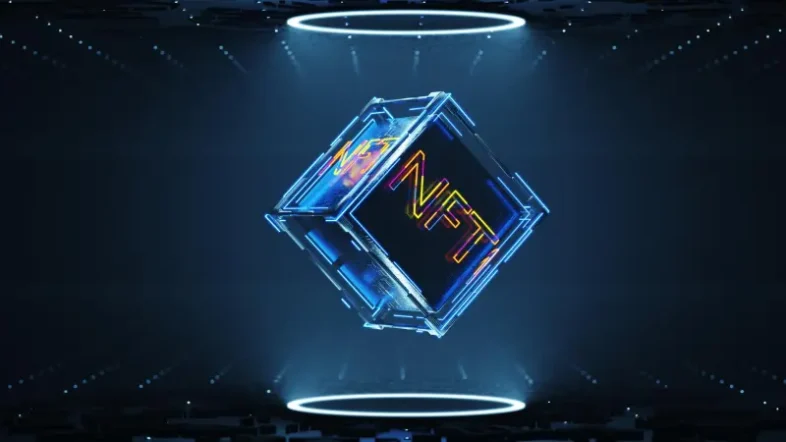
An NFT, or Non-Fungible Token, is a unique digital asset that is traded on a blockchain. The term “non-fungible” essentially means that the asset is one-of-a-kind and cannot be replaced or replicated. This distinguishes NFTs from other cryptocurrencies, like Bitcoin or Ethereum, which are fungible—meaning that one unit is equivalent to another, just like how one dollar bill is equal to any other dollar bill.
NFTs are unique, indivisible, and can’t be exchanged on a one-to-one basis with other tokens. This uniqueness makes them valuable in certain use cases, especially in areas like digital art, gaming, and even real-world asset representation. Most NFTs are created and traded on the Ethereum blockchain, though other blockchains, like Binance Smart Chain and Solana, are also expanding into the NFT market.
How Do NFTs Work?
NFTs are stored on a blockchain, which is a decentralized, digital ledger that records transactions. Each NFT has unique metadata that sets it apart from other tokens, even if they look identical. This metadata can contain information such as the asset’s creator, the time it was minted, and the ownership history, ensuring authenticity and scarcity.
Unlike cryptocurrencies, NFTs are not divisible, meaning you can’t own just a fraction of an NFT. You either own the entire token or you don’t, much like owning a physical item. Think of NFTs like owning a limited edition collectible. Each one has unique attributes that contribute to its value, and its ownership is verifiable through the blockchain.
What Are NFTs Used For?
NFTs can be applied in various sectors, from digital art and music to gaming and even real estate. Their use cases include:
- Digital Art and Collectibles: One of the most popular applications of NFTs is in digital art. Artists can tokenize their work, selling unique digital pieces with proof of ownership. For example, Beeple, a digital artist, sold an NFT art piece for $69 million at Christie’s auction house, making headlines worldwide.
- In-Game Items: NFTs have revolutionized the gaming industry. In games like Decentraland or The Sandbox, players can buy virtual land, avatars, and other in-game assets as NFTs. Unlike traditional in-game purchases, which are locked to a specific game or account, NFTs can be sold or traded on secondary markets, giving gamers real ownership of their in-game assets.
- Music and Media: Musicians and content creators are also getting in on the NFT action. Artists like Kings of Leon and Grimes have released albums and digital content as NFTs, allowing fans to own exclusive digital content that may include concert tickets, artwork, or unreleased tracks.
- Proof of Ownership for Real-World Items: NFTs can serve as proof of ownership for physical assets. For example, Nike is exploring the use of NFTs to verify the authenticity of their shoes. When a customer buys a pair of Nike sneakers, they may also receive an NFT that proves the shoes are genuine. This use case can extend to other industries, such as real estate or luxury goods.
In-Game Items: A Growing Market for NFTs
Gaming is one of the most exciting applications for NFTs. Virtual worlds like Decentraland or Axie Infinity are built on blockchain technology, allowing players to buy, sell, and trade in-game items as NFTs. These assets can include anything from virtual real estate to clothing for avatars.
The concept of owning in-game items isn’t new, but NFTs add a layer of scarcity and real-world value to these items. In 2020, a CS skin, a digital item used in the popular first-person shooter game, sold for over $100,000. By tokenizing these assets with NFTs, developers can create marketplaces where players can trade items securely and transparently.
NFTs as Digital Collectibles
NFTs are also widely used as digital collectibles. CryptoKitties, one of the first popular NFT projects, allowed users to buy, sell, and breed unique virtual cats. While this might sound trivial, the project highlighted the potential of NFTs to create real-world value from digital assets.
Just like trading cards or rare coins, NFTs appeal to collectors who value the uniqueness of each token. Some people enjoy collecting these digital assets just for fun, while others see it as an investment. For example, similar to how physical collectibles, like rare comic books, can appreciate in value over time, NFTs could potentially increase in worth as demand rises.
NFTs as Proof of Ownership for Physical Assets
One of the most promising applications for NFTs lies in the tokenization of real-world assets. In addition to being used for digital art and in-game items, NFTs can represent ownership of physical goods. For instance, luxury brands like Nike are exploring ways to use NFTs to verify the authenticity of their products.
In the future, NFTs might be used to represent ownership of high-value items such as cars, real estate, or event tickets. By tokenizing these assets, individuals can buy and sell them in a decentralized marketplace, with the blockchain ensuring that ownership is transferred securely.
Should You Invest in NFTs?
So, is now the right time to invest in NFTs? The NFT market is still in its infancy and highly speculative. Like collecting rare art or Pokemon cards, investing in NFTs can be profitable, but it’s also risky. Many people who have profited from NFTs were early adopters who purchased assets at low prices before the market exploded.
However, the current market is extremely volatile, with some NFTs selling for hundreds of thousands or even millions of dollars. While these high valuations might suggest strong future growth, they could also indicate a market bubble.
Additionally, there are risks of scams, where people sell NFTs of content they don’t own or offer tokens with no real utility. Some artists have reported seeing their work minted as NFTs without permission, highlighting the potential for fraud in this space.
How to Make Smart Investments in NFTs
If you’re considering investing in the NFT space, it may be more strategic to invest in the infrastructure behind NFTs, rather than the tokens themselves. Companies like Enjin offer platforms where developers can create and sell NFTs for gaming applications. Investing in these types of platforms allows you to benefit from the growth of the NFT ecosystem without the risks of owning a specific token that could become worthless.
Conclusion: What Is an NFT and Why Are They Valuable?
NFTs are unique, indivisible tokens that have transformed industries like digital art, gaming, and real-world asset ownership. From enabling the sale of digital art for millions of dollars to revolutionizing in-game economies, NFTs are at the forefront of the digital economy. While investing in NFTs can be lucrative, it’s essential to understand the risks involved. For now, the NFT market is highly speculative, but the underlying technology has the potential to reshape industries in the years to come.